Peptides and skin health: recent advances in regeneration and aging
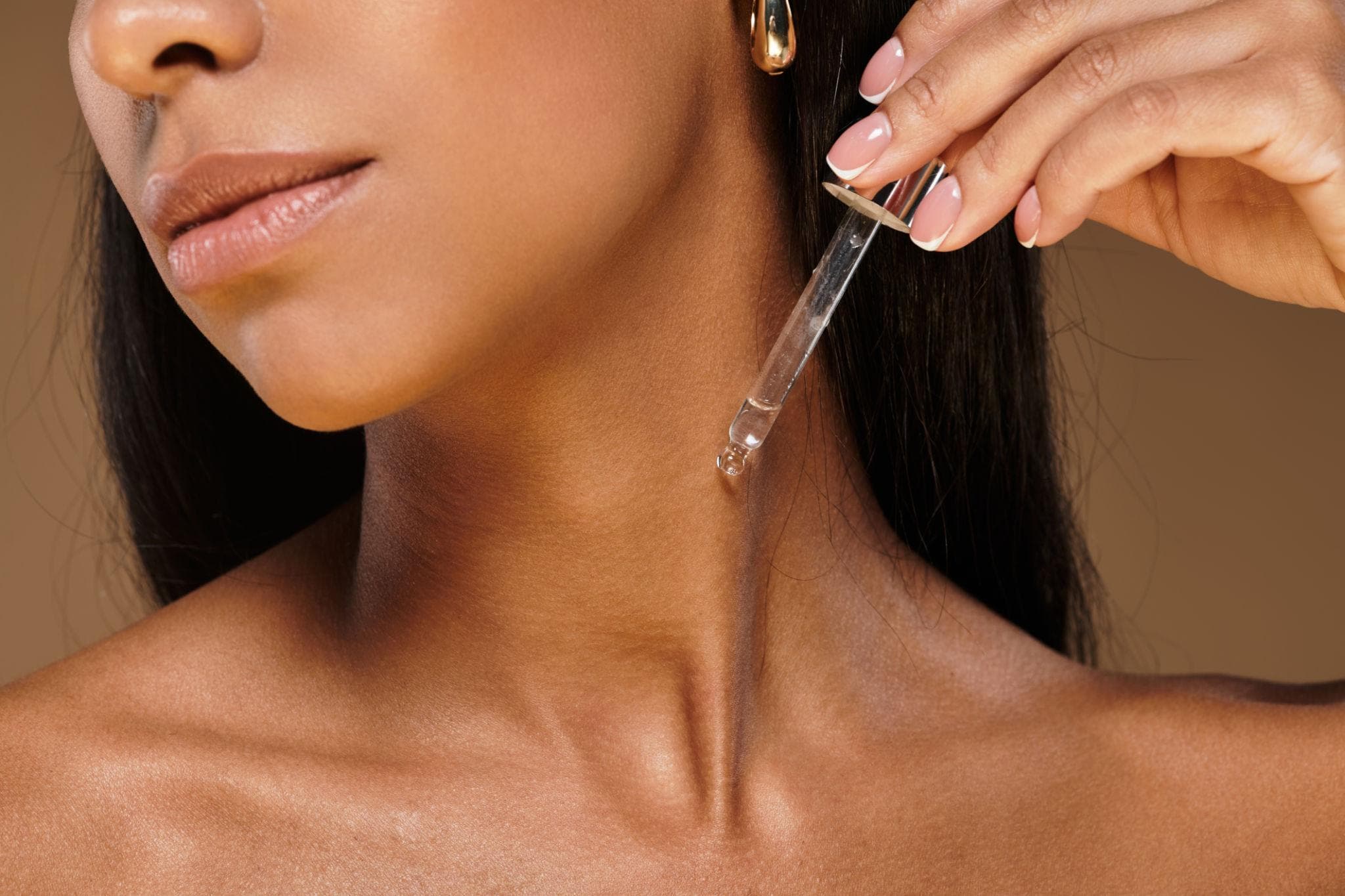
The role of peptides in skin quality and cellular repair
Research on peptides has also gained momentum in dermatology. In recent years, these compounds have been studied for their possible ability to improve skin quality, support cellular regeneration, and contribute to the overall appearance of skin tissue. Unlike more superficial approaches, peptides act at the cellular level, generating growing interest in both clinical settings and the development of advanced skin-care products.
How do peptides work in the skin?
Peptides function as biological messengers that can send signals to skin cells to activate certain processes. One of the most studied mechanisms is their ability to stimulate collagen production, an essential protein for skin firmness and elasticity.
Over time, natural collagen production declines. Some peptides have demonstrated the ability to support this process, which may help improve skin texture and reduce the appearance of fine lines. In addition, certain compounds also participate in repairing the skin barrier and responding to external factors.
Recent scientific evidence
Various studies have analyzed the use of peptides in skin health, both in clinical settings and in topical applications. Research available through PubMed has evaluated their impact on collagen production and tissue regeneration.
For its part, research published in journals such as Nature has pointed to growing interest in peptides as tools in regenerative medicine and advanced dermatology. Although results may vary depending on the type of peptide and its formulation, the overall evidence points to potential benefits for skin quality.
The following resources can be consulted for more information:
https://pubmed.ncbi.nlm.nih.gov
https://www.nature.com/subjects/skin-biology
Current and developing applications
The use of peptides in skin care has expanded rapidly in recent years. They are currently found in formulations designed to improve hydration, firmness, and the overall appearance of the skin.
In addition to cosmetic use, medical applications are also being investigated, particularly in wound healing and tissue repair. In this context, peptides could offer more specific solutions to support skin regeneration.
Important considerations
Despite the growing interest, it is important to understand that not all peptides act in the same way. Their efficacy depends on factors such as concentration, stability, and ability to penetrate the skin.
Research is also still developing, and although current results are promising, more studies are needed to fully understand their long-term impact. The most advisable approach remains to integrate these advances into an overall skin-care strategy.
Conclusion
Peptides represent an important area of innovation in the study of skin health. Their ability to act at the cellular level positions them as an interesting tool in both dermatology and advanced skin care.
As research advances, more precise and effective applications supported by solid scientific evidence will likely emerge. This could transform how skin aging and regeneration are addressed from a more scientific and personalized perspective.